






MAD//Sports: Data and the Frictionless Fan
Just when you thought you’d heard enough about Arsenal, they offer another useful reminder of where the sports industry has been heading for some time.
When the club secured their recent trophy win, the impact extended well beyond the Emirates Stadium. It played out across a digital ecosystem that consistently reaches fans, well beyond match day, across multiple touchpoints and meeting fans where they are.

For years, the sport and entertainment industry has invested heavily in building scale, growing databases, launching apps, collecting first-party data and expanding digital reach. The focus has largely been on ownership of audience and access to fans, and for good reason. What is changing now is how that data is being put to work.
Access alone is no longer enough. The organisations pulling ahead are those using data to shape decision-making across their business, from how content is produced and distributed, to how partnerships are structured, to how commercial value is defined and measured.
For brands and agencies, that shift is significant. Engagement is getting more targeted, media is more accountable, and expectations for relevance are far higher than they were just a few years ago. The opportunity is not simply to reach fans at scale, but to understand how they behave and to respond accordingly.
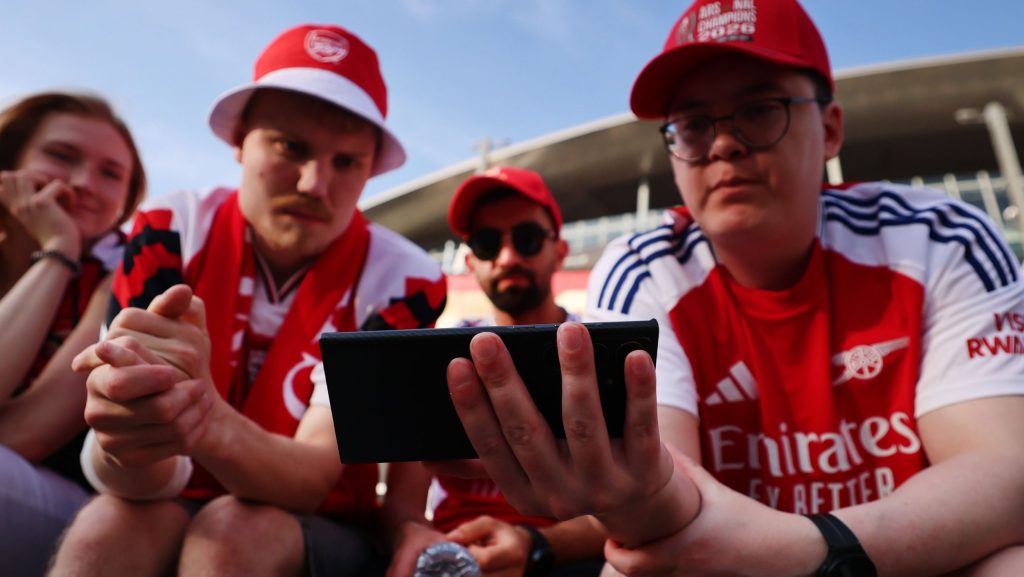
This is also where technology is starting to have a more noticeable impact on the fan experience itself.
In stadiums, improvements can look purely practical, but they are making a significant difference. Digital ticketing, cashless services and smarter venue systems are streamlining the basics and allowing fans to spend more time focused on the event. These are not headline-grabbing innovations, but they shape how the day feels and how efficiently it runs.
The bigger shift is happening around how sport is consumed beyond the live environment. Data is increasingly influencing what content is created, when it is distributed and how it is tailored. Broadcast is no longer a fixed product in the same way, and content is being adapted to reflect that, including second-screens and more fragmented viewing habits.

Tools such as tracking data and automated production are no longer limited to performance analysis or officiating. They now feed directly into the way sport is packaged, giving rights holders more flexibility in how they present highlights, insights and storytelling.
For the industry, the point is not the technology itself but the application of it. There is a clear difference between having access to data and being able to use it effectively. That capability has the potential to highlight the gap between those building more sophisticated commercial models and those still working from broader, less informed assumptions.
The conversation around direct-to-consumer has been prominent for some time. What is becoming ever clearer is how that relationship is being operationalised. Better use of data is allowing organisations to move beyond headline audience numbers and towards a clearer understanding of who they are reaching, what drives engagement and where value can be created. Maybe, a new phase of growth.
This July at MAD//Sports, we will be speaking to the organisations turning that thinking into practice. The agenda will look at how data and technology are being applied to drive better decisions, stronger partnerships and more effective fan engagement.

We want to hear from those doing the work, using fan data more intelligently, building adaptive content strategies, and creating more connected fan journeys. If you’re in the game of Tech Powered Play, now is the time to join the conversation.