





On The Record & On The Ball: How elite coaches master the media

We spoke with Tim Percival, author of On The Record & On The Ball: How elite coaches master the media, about the relationship between coaches and the media, and what effective communication really looks like under pressure.
In this Q&A, he shares insights on crisis communication, common mistakes in media handling, and how elite coaches use messaging, body language and storytelling to shape perception both on and off the pitch.
Why did you write the book?
A couple of reasons, really. First off, I just thought it was a genuinely interesting subject for people to read about. Secondly, I also wanted to bring coaches and the media a bit closer together. They work alongside each other, yet I don’t think they always fully understand one another very well. There’s often a bit of friction there, so the idea was to explore that relationship and hopefully bridge the gap a little.
On a personal level, it also turned out to be a great development experience for me. There’s nothing quite like writing a book to help you understand something in greater depth.
Why is getting your communications approach right so important for an organisation / individual?
When you get your communications right, everyone – whether that’s supporters, customers, employees, investors, whoever – understands what you stand for and where you’re going. That sense of clarity helps people feel connected, and like they’re part of something.
It’s also a big part of how you shape your reputation externally. When communication is clear and consistent, it builds trust – and trust underpins everything else.
The second chapter in the book covers controversy and is a guide to crisis comms – is there a blueprint for handling a crisis?
I think there is a blueprint, yes. The key thing people sometimes miss in a crisis is that communication alone won’t fix it – you have to deal with the issue itself first. If the underlying problem isn’t sorted out, no amount of messaging, no matter how skilled, will get you back on track.
As for strategy, Lanny J. Davis, who served in the White House during the Clinton presidency, summed it up well: “Tell it early, tell it all, tell it yourself.” I’ve always thought that makes a lot of sense, and I’ve built my approach around it. But I add one step at the start: take stock and get a clear picture of the facts first.
So my approach is to take stock, tell it early, tell it all, and tell it yourself. I go into more detail on those steps in my book.
Are there any common mistakes you see from coaches when handling the media?
Body language is really important. Communication isn’t just about words – audiences form impressions within seconds, and non-verbal cues can be just as powerful as what you say.
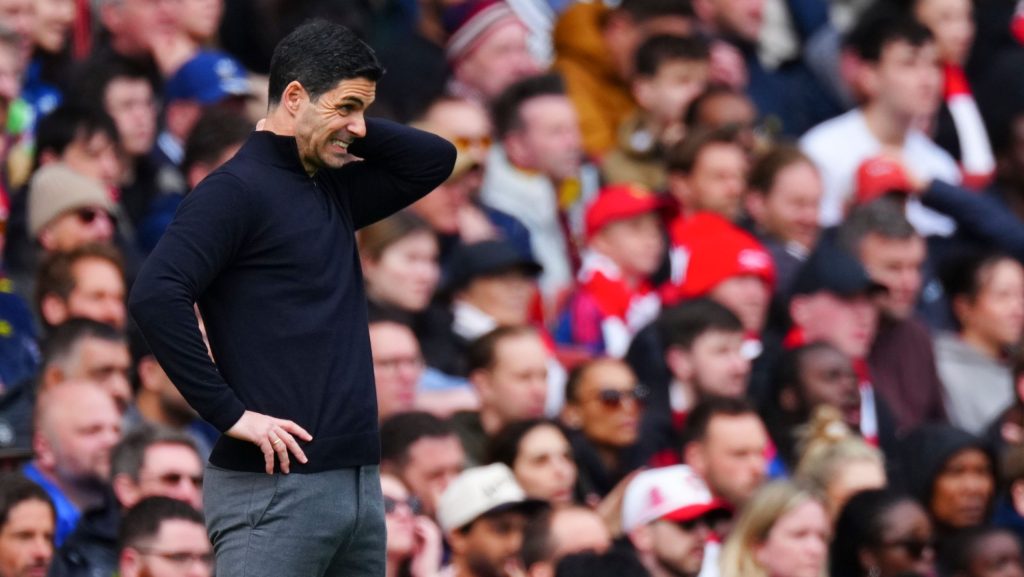
I often see coaches appearing troubled or tense. Showing that level of frustration or stress isn’t usually helpful – either for the team or for performance on a Saturday. The best coaches have an ability to look bulletproof and untroubled, no matter what. It can be incredibly empowering for those around them.
That said, it is so difficult for coaches, isn’t it? The pressure of the job is intense, and that inevitably shows at times.
In the book there’s a chapter on media mind games. Jose Mourinho is obviously well known for this but who apart from him who uses them well in your opinion?
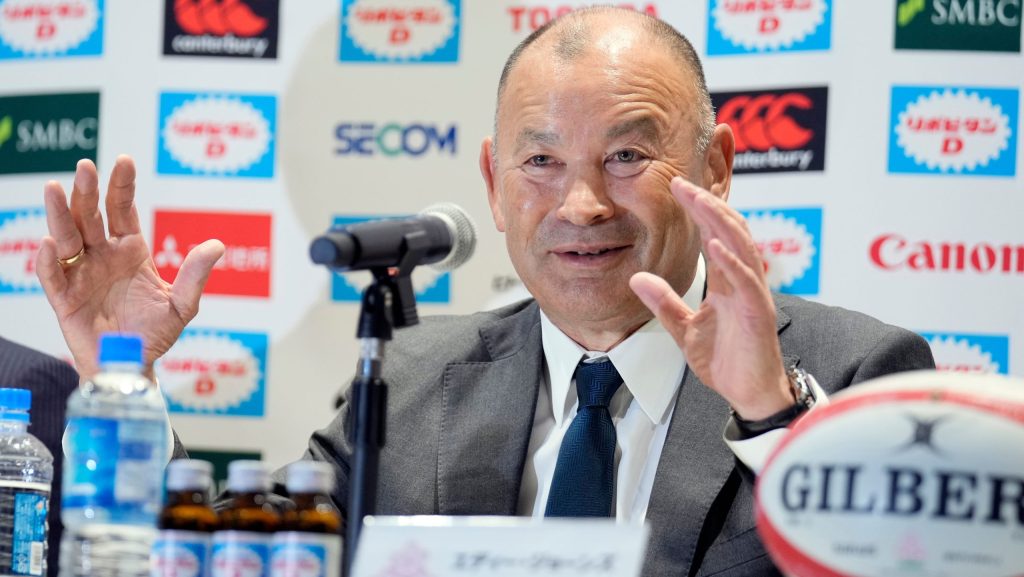
It’s a fun chapter. I argue there are five different types of mind games. Former England rugby head coach Eddie Jones used them very effectively – and I obviously saw that first-hand having worked alongside him for a few years at England. His media conferences could be absolutely brilliant and very entertaining to be part of. Like anyone, though, he didn’t always get it right.
Is there anyone who stands out as a someone who handles the media well – someone you think is a great communicator?
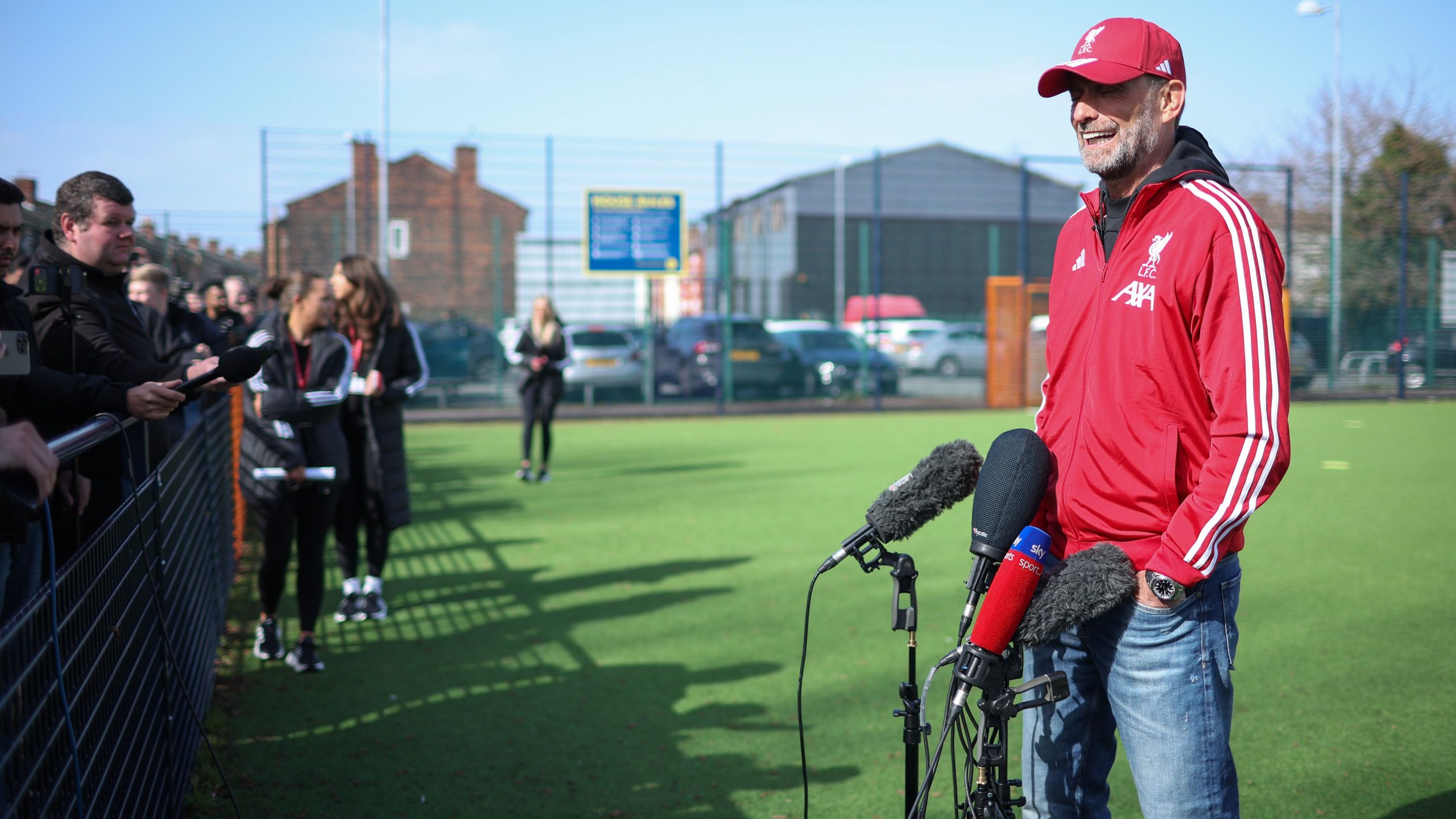
Jürgen Klopp stands out. He connects with people – which is ultimately what communication is about – and he’s a brilliant storyteller. He famously talked about Liverpool’s “heavy metal” football – a phrase that really stuck and became part of the team’s identity during his time there. That’s the power of painting a picture with words; it stays with people.
Gareth Southgate is another one. What impressed me most about him is his willingness to speak about wider societal issues. A lot of high-profile football managers don’t go there for obvious reasons, but he used his platform in a really considered way. I respect that.
What does the future of sports journalism look like?
That’s a tough question. I think, in the creator economy, we’ll get to a stage where some journalists have a greater reach than the media outlets they work for. That’s partly because of how algorithms now treat individual accounts versus brand accounts on social media.
Ultimately, I see a future where large publishers invest in individuals as sub-brands – sports “newsfluencers”, if you like. That would require employers to take a leap of faith in developing and growing them, with the obvious risk that those journalists may eventually leave. But the upside is significant – their journalism can reach a far wider audience.
What advice would you give to anyone working in communications?
Make sure you’re with the decision-makers. Communications professionals needs to be part of the decision-making process so you can influence and shape outcomes, not just react to them.
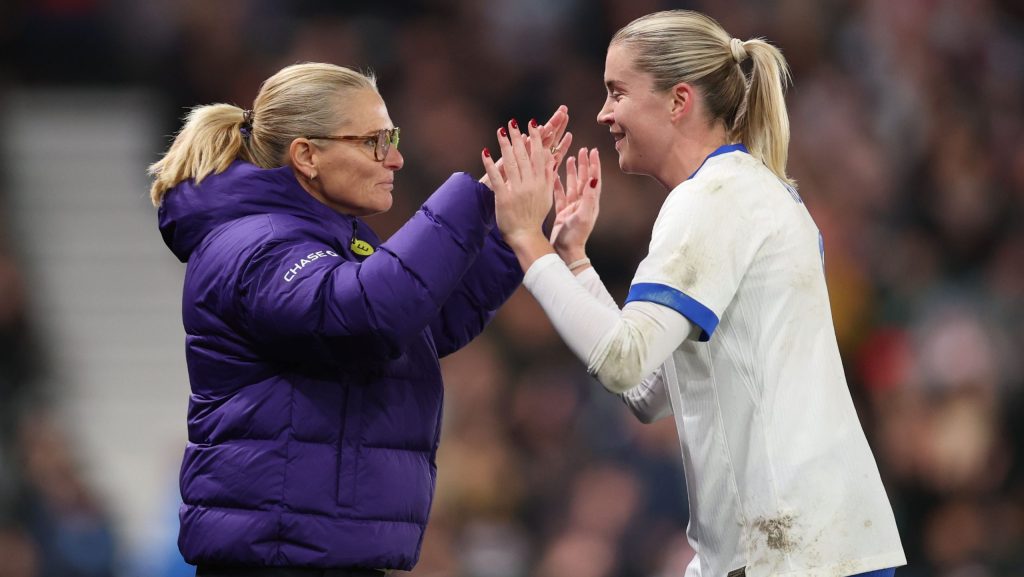
The mistake I see so often in organisations – not the ones I’ve worked for, I should add – is that communications is only considered after a decision has been made. By that point, it’s often too late, or the message is less effective, or the wrong turn has already been taken.