




Why gamification is reshaping modern fandom
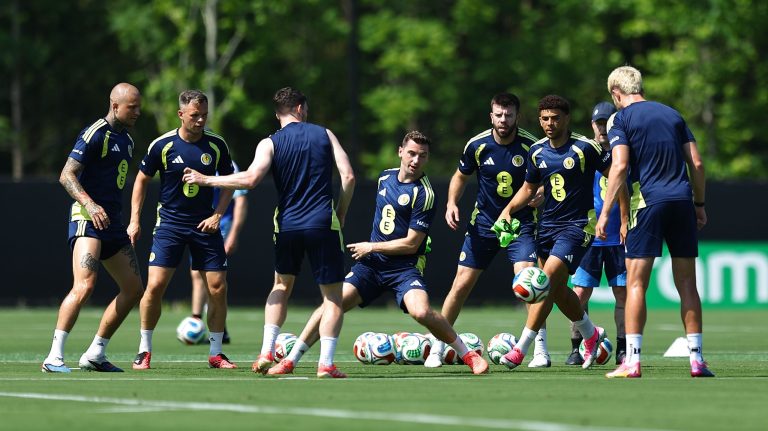
As the FIFA World Cup unfolds, it’s clear the fan experience has evolved.
Alongside live coverage, fans are engaging through prediction games, interactive features and second screen experiences that extend their connection beyond the 90 minutes.
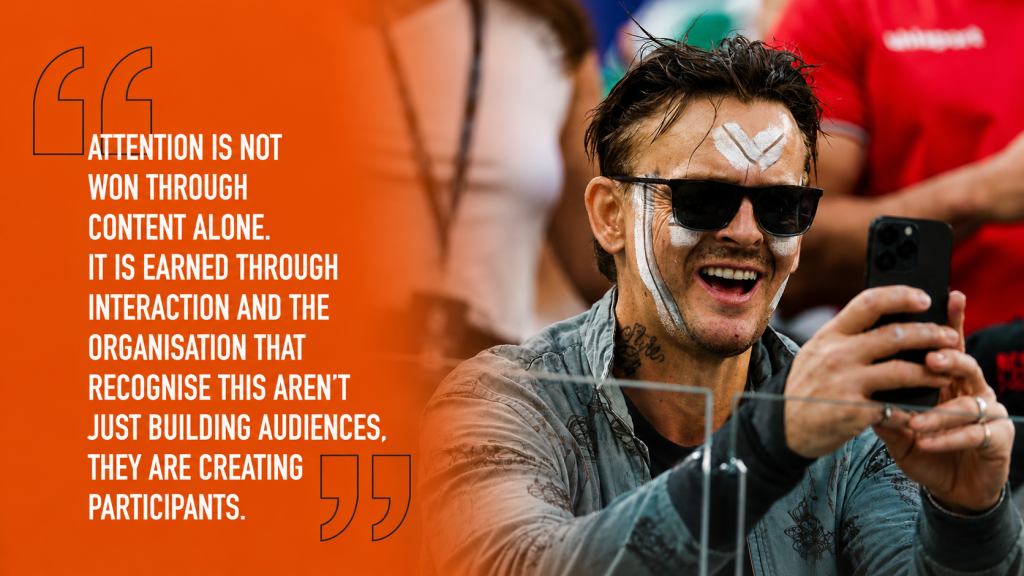
It reflects a wider shift across sport; from passive consumption to active participation.

From football to tennis to motorsport, engagement is becoming increasingly interactive. Today’s audiences aren’t just watching they’re scrolling, reacting in real time and engaging across multiple platforms. Consumption is layered, not linear.
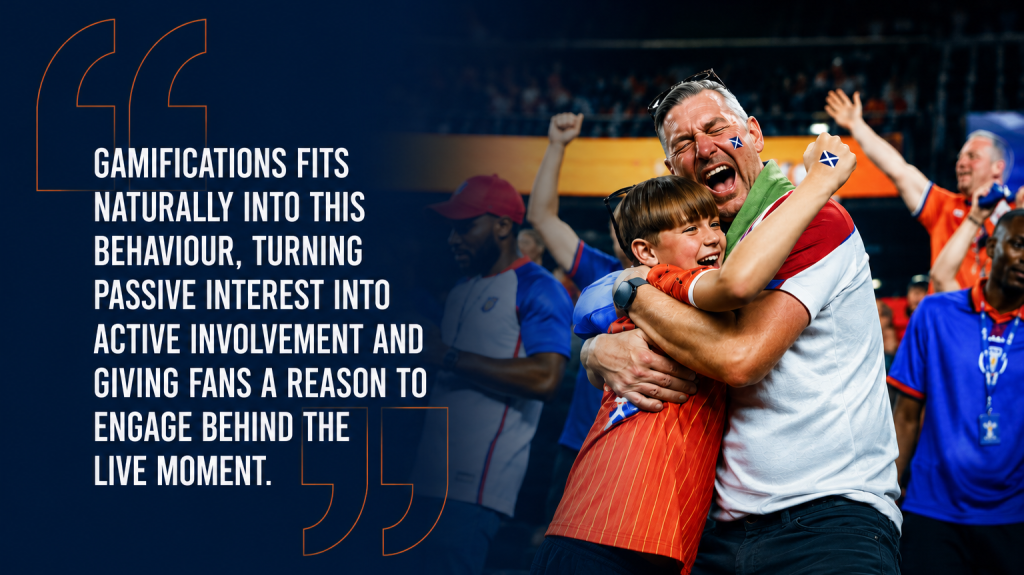

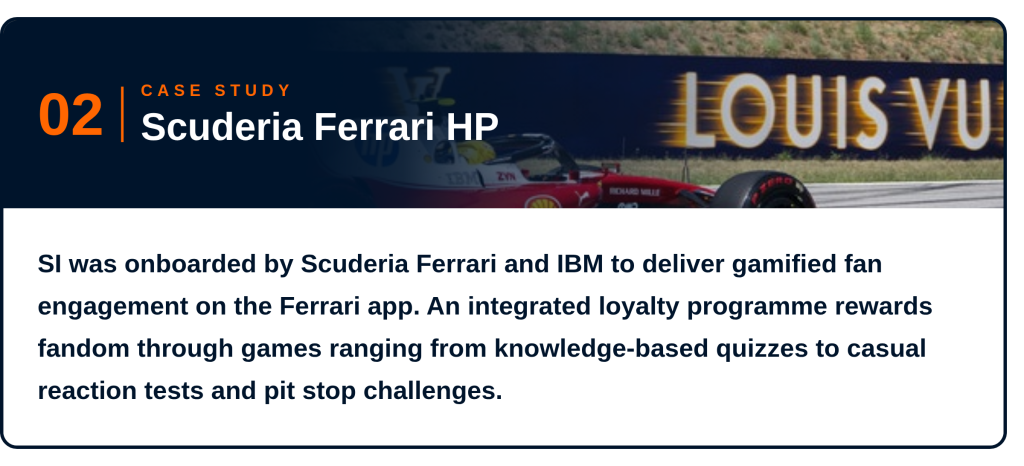
The most progressive organisations are no longer treating gamification as a one-off activation. Instead it’s being embedded into platforms to extend engagement beyond live action, build repeat behaviours and deliver more personalised experiences.
As fandom shifts into an always-on digital ecosystem, keeping fans connected between moments is becoming just as important as the moments themselves.
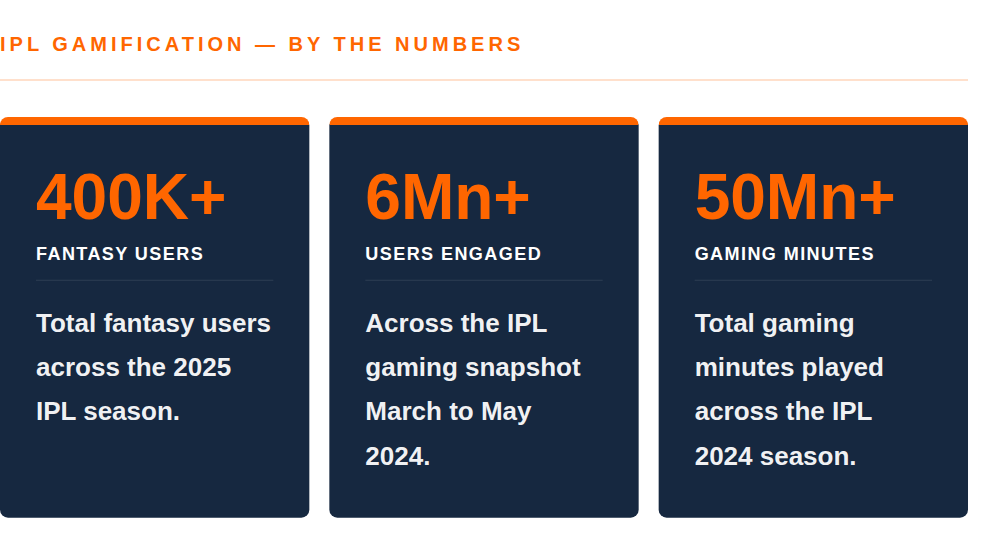

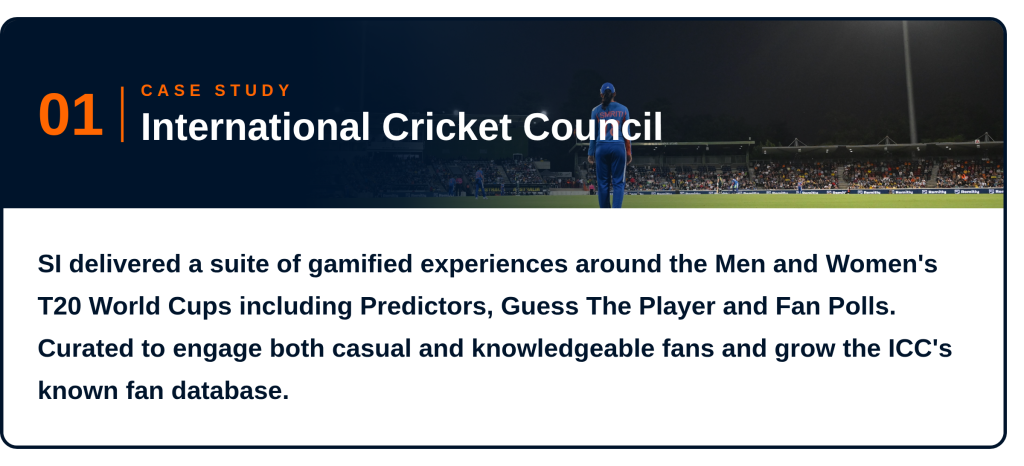
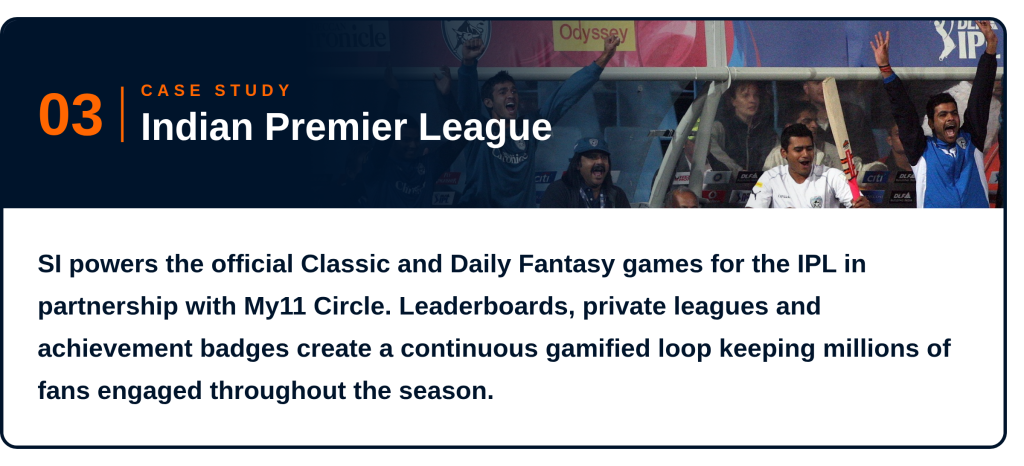
Gamification is most effective when it caters to different fan mindsets. This is particularly evident in the Indian Premier League, where SI were tasked with delivering fantasy and gamified experiences across multiple franchises, enabling fans to engage continuously across the season.
Rather than a one-off activation, this approach creates a loop: competition drives repeat use, rewards reinforce behaviour, and every match feeds into a broader experience. It transforms digital platforms from content hubs into destinations in
their own right.
The Principle is simple: gamification works best when it is layered, not singular.

The real value of gamification sits beneath the surface. Each interaction provides insight, turning engagement into understanding. In an increasingly first-party data-led environment, this allows organisations to move from broad audience reach to more meaningful, personalised relationships.

At the same time, gamification helps solve one of sport’s oldest challenges: keeping fans engaged between fixtures. Formats like fantasy, predictors and challenges shift behaviour from event-led to habit-driven.
For modern fans, gamification is no longer an enhancement, it’s expected. A generation brought up on gaming mechanics, rewards and real-time feedback now carries those same expectations into sport.

The question is no longer whether gamification has a role to play. It’s how central that role becomes.